




Social Media Management





Mobile App Design

Research & Testing










.jpg?width=1472&height=832&name=Flux_Dev_Professional_studio_portrait_of_a_middleaged_man_with_2%20(1).jpg)

.jpg?width=1472&height=832&name=Flux_Dev_Professional_studio_portrait_of_a_middleaged_man_with_3%20(1).jpg)



Delivering Meaningful Digital Experiences

A Seamless Journey from Idea to Launch
Our process blends creativity, strategy, and technology into one smooth workflow. We start by understanding your audience, refining ideas through design thinking, and executing with precision. Whether it’s a website, campaign, or full-scale platform, we ensure clarity, collaboration, and quality at every step.
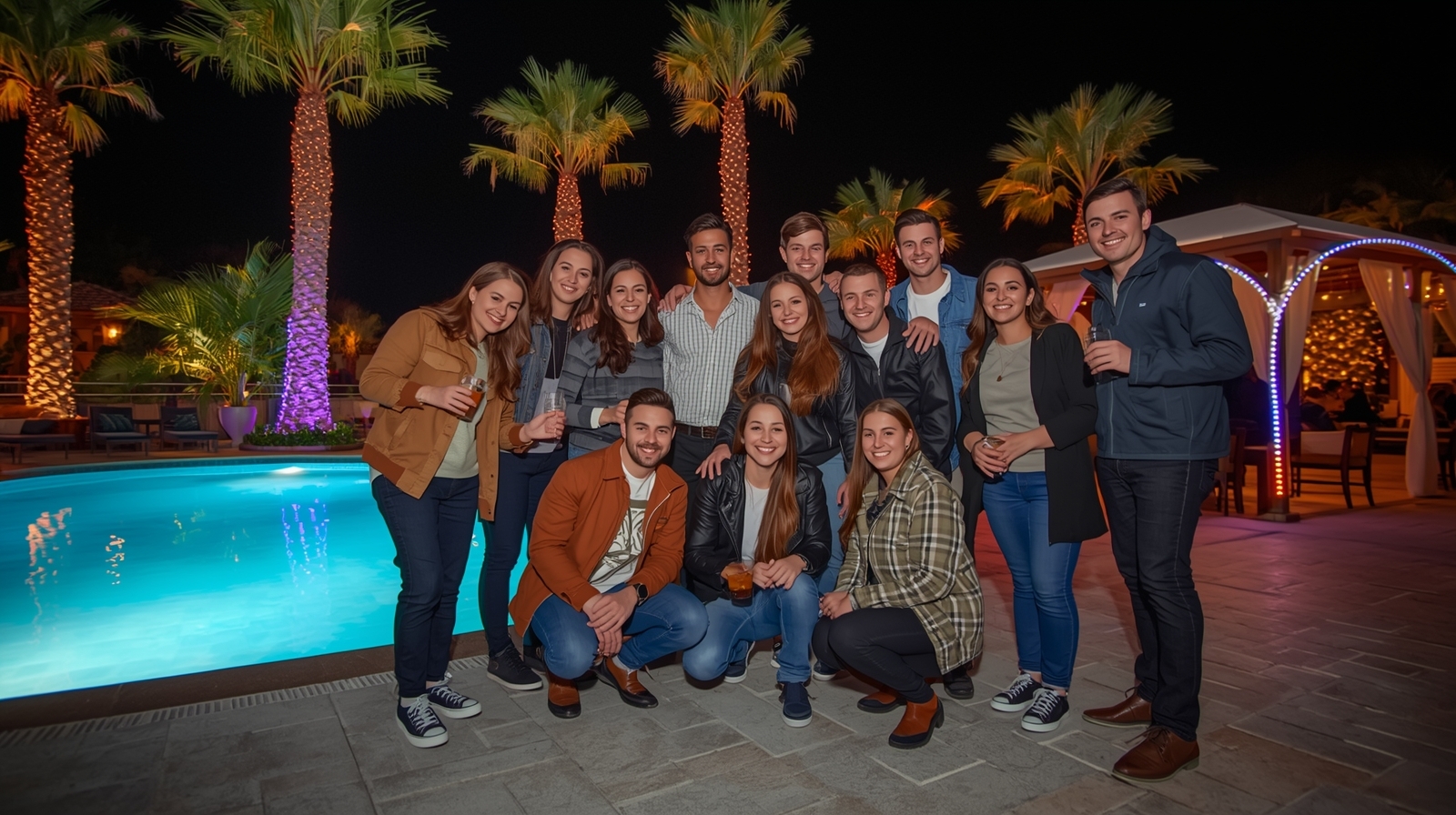
A Collective of Creators, Thinkers & Innovators

Shaping the Future Through Innovation

Sustainable living is no longer just a trend—it is a necessary lifestyle choice to protect our planet for future generations. By adopting eco-friendly practices, individuals can significantly reduce their environmental footprint while promoting a healthier, more balanced way of life.
- Minimizing waste starts with conscious consumption. Simple actions like using reusable bags, avoiding single-use plastics, and recycling household materials can collectively create a significant impact. Composting organic waste is another effective method that reduces landfill usage and generates nutrient-rich soil for gardens.
- Switching to energy-efficient appliances and utilizing renewable energy sources such as solar or wind power can dramatically reduce energy consumption. Even small changes like turning off unused electronics, using LED bulbs, or optimizing home insulation can make a noticeable difference in reducing carbon emissions.
- Water is one of our most precious resources, and conserving it is vital. Techniques such as fixing leaks, using low-flow fixtures, and harvesting rainwater can reduce water wastage substantially. Additionally, practicing mindful water use in gardening, cleaning, and daily routines ensures sustainability.
- Choosing sustainable products, supporting ethical brands, and prioritizing local and seasonal produce encourages environmentally responsible behavior. Every purchase becomes a statement for the planet, influencing industries to adopt greener practices.
By integrating these habits into everyday life, sustainable living becomes more than an idea—it becomes a lifestyle. With awareness, commitment, and small but meaningful changes, we can collectively protect our environment and build a future that balances human needs with the health of our planet.
Remote work has evolved from a temporary necessity into a permanent feature of modern employment. The flexibility it offers allows professionals to balance personal and professional responsibilities while giving organizations access to global talent pools.
- Remote work empowers employees to design their schedules, optimize their productivity, and reduce commute-related stress. Many studies show that when employees have the autonomy to manage their time, overall performance and job satisfaction increase significantly.
- Digital tools such as cloud computing, collaboration platforms, and virtual project management systems make remote work seamless. Video conferencing, instant messaging, and real-time document collaboration eliminate geographical boundaries, allowing teams to communicate effectively and maintain productivity.
- While remote work offers benefits, it also introduces challenges such as social isolation, lack of structure, and potential burnout. Companies can address these issues by fostering virtual social interactions, providing wellness programs, and setting clear expectations. Regular check-ins and transparent communication ensure employees stay engaged and supported.
The future of work will increasingly rely on hybrid models, combining remote flexibility with occasional in-office collaboration. As technology advances, immersive virtual reality meetings, AI-driven productivity analytics, and automation will further transform the way we work.
Ultimately, remote work is reshaping the traditional workplace model. By embracing this evolution thoughtfully, organizations can create inclusive, efficient, and adaptable work environments while giving employees the freedom to thrive professionally and personally.
Space exploration has fascinated humanity for centuries, and recent technological advancements are making it more accessible than ever. From robotic missions to potential human colonization of other planets, the cosmos is becoming the next frontier for discovery and innovation.
Technological Advancements:
Modern spacecraft, satellite systems, and propulsion technologies have revolutionized how we explore space. High-resolution imaging, AI-assisted navigation, and reusable rockets are making missions more cost-effective, efficient, and sustainable. Companies and space agencies worldwide are competing to expand human presence beyond Earth.
Scientific Discoveries:
Exploration of planets, moons, and asteroids is providing unprecedented insights into the origins of our solar system. Discoveries of water on Mars, ice on the Moon, and potentially habitable exoplanets suggest that life beyond Earth may be more plausible than ever imagined. These findings not only deepen scientific understanding but also inspire future generations.
Human Endeavors:
The prospect of human settlement on Mars or lunar bases is becoming increasingly realistic. Space agencies are focusing on sustainable life-support systems, radiation protection, and interplanetary travel to ensure long-term survival. Collaborative efforts among nations and private companies are making space exploration a shared human endeavor.
Inspiration for the Future:
Beyond science and technology, space exploration fuels imagination and ambition. It challenges humanity to think bigger, dream further, and solve problems that were once thought impossible. As we venture into the stars, our curiosity and innovation know no bounds.
Exploring space is more than a scientific pursuit—it is a testament to human resilience, creativity, and the endless quest for knowledge. The universe is vast, but with every discovery, we take one step closer to understanding our place within it.